
Writers on Writing
In which I share the four quotes displayed in my office

I spent a lot of time in the final few months of 2025 in conversation with another writer as we grappled with the angst-drenched problem of not knowing what our “project” really was — that project being: the target we were aiming at, or perhaps climbing toward, as writers, and then the “how” piece of it: the mode of ascent that offered the best hope of arriving at the summit.
As it finally dawned on me in the final weeks of the year what my project was, the depression that I’ve struggled with over the years deepened, which led me to write and post On Pausing, Depression and Darkness on Dec. 9. The unofficial Substack Recapped website, which offers a free, year-end statistical snapshot of newsletters published here, tells me that my “personal reflection” pieces were popular, and the depression piece “touched hearts,” with more than a dozen readers engaging with it in one way or another. Beyond that, a few readers I actually know personally checked in with me. A couple even opened up about their own struggles with the dark.
Those connections meant a lot—and, in fact, the prospect of meaningful connections with other humans clearly resonated with a lot of you, as evidenced by the year’s most popular essay: On the Art of Conversation and Discourse. Doing “friends” by way of Facebook (or anywhere online, really) is a hollow, soul-suffocating exercise that’s more about dopamine than it is about really coming together and sharing. Presence matters.
Anyway, now that I’ve come to see what the project is, I’ve changed the name of this newsletter. The URL remains the same, but Artlandia is no more: This is Renaissance Watch. I’m pretty sure that works for what most likely lays ahead—if, that is, I decide to share that path in public at all.
I’m still thinking on that one, the “if” and the “how” of it.
For now, I’ll kick off the new year with four quotes I’ve been meditating on, remarks that writers have made about the “how” and the effect of writing. In this home office of mine that’s stuffed to the ceiling with books, there’s little room on the walls for anything else—including, ironically, art. But I have made room for these four quotes, two of which are taped below my computer screen. One, which I posted last night in Notes, resonated with one Substack writer whose work I find valuable, so I thought I’d throw them all out there for everyone and anyone.
No biographies or author notes here, just the names and what they said. Enjoy, and you’ll see me when you see me.
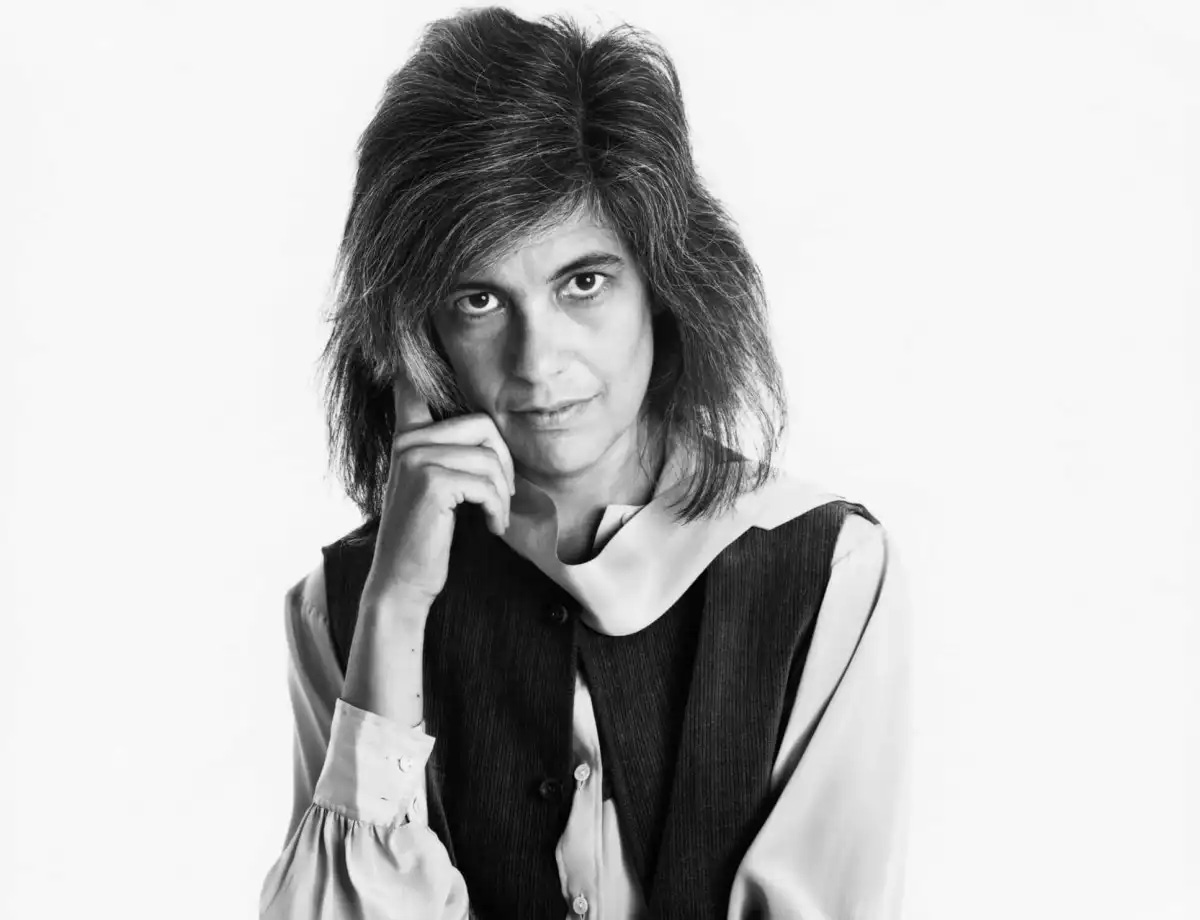
“Love words, agonize over sentences, and pay attention to the world.”
— Susan Sontag
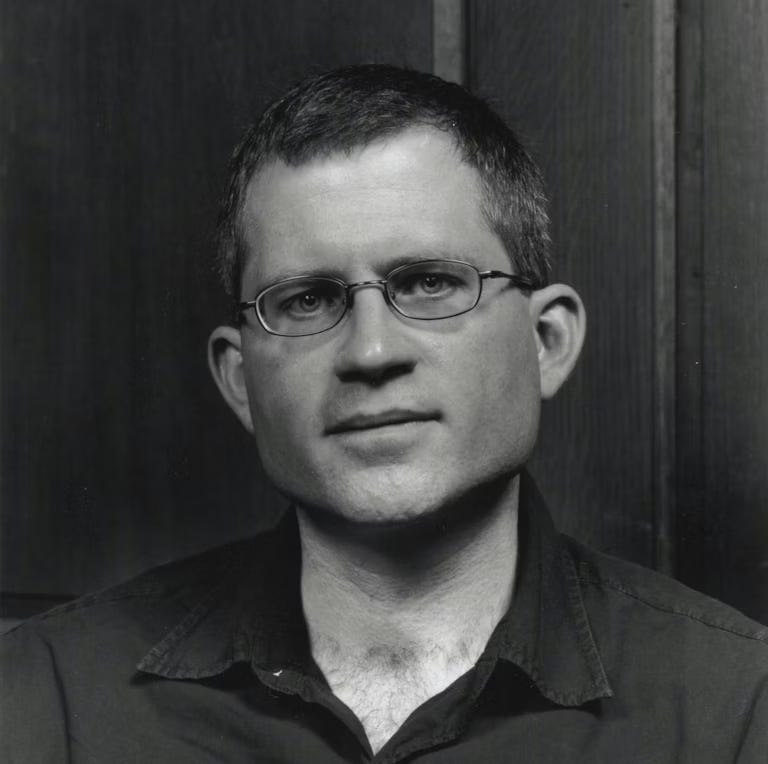
“Let us remember … that in the end we go to poetry for one reason, so that we might more fully inhabit our lives and the world in which we live them, and that if we more fully inhabit these things, we might be less apt to destroy both.”
— Christian Winman
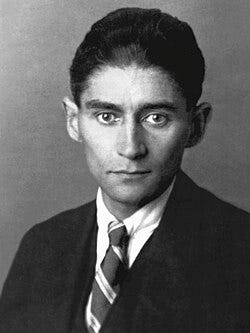
“You do not need to leave your room. Remain sitting at your table and listen. Do not even listen, simply wait, be quiet, still and solitary. The world will freely offer itself to you to be unmasked, it has no choice, it will roll in ecstasy at your feet.”
— Franz Kafka
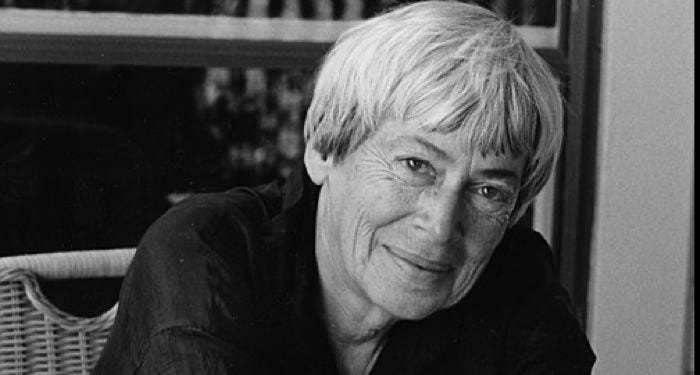
”I think hard times are coming when we will be wanting the voices of writers who can see alternatives to how we live now and can see through our fear-stricken society and its obsessive technologies to other ways of Being, and even imagine some real grounds for hope We will need writers who can remember freedom, poets, visionaries -- the realists of a larger reality.
Right now, I think we need writers who know the difference between production of a market commodity and the practice of an art. Developing written material to suit sales strategies in order to maximize corporate profit and advertising revenue is not quite the same thing as responsible book publishing or authorship.
Yet, I see sales departments given control over editorial. I see my own publishers in a silly panic of ignorance and greed, charging public libraries for an e-book six or seven times more than they charge customers. We just saw a profiteer try to punish a publisher for disobedience and writers threatened by corporate fatwa. And I see a lot of us, the producers who write the books and make the books, accepting this: letting commodity profiteers sell us like deodorant, and tell us what to publish and what to write.
Well, books, you know, they’re not just commodities. The profit motive often is in conflict with the aims of art. We live in capitalism. Its power seems inescapable. So did the divine right of kings. Any human power can be resisted and changed by human beings. Resistance and change often begin in art, and very often in our art: the art of words.”
— Ursula K. Le Guin, in her 2014 National Book Award speech.
Until further notice, in lieu of paid subscriptions, I’ve added a “tip jar” for small, one-time contributions to support my work. Because I really do a lot of my work in coffee shops, and they require that I pay before dispensing my brew.